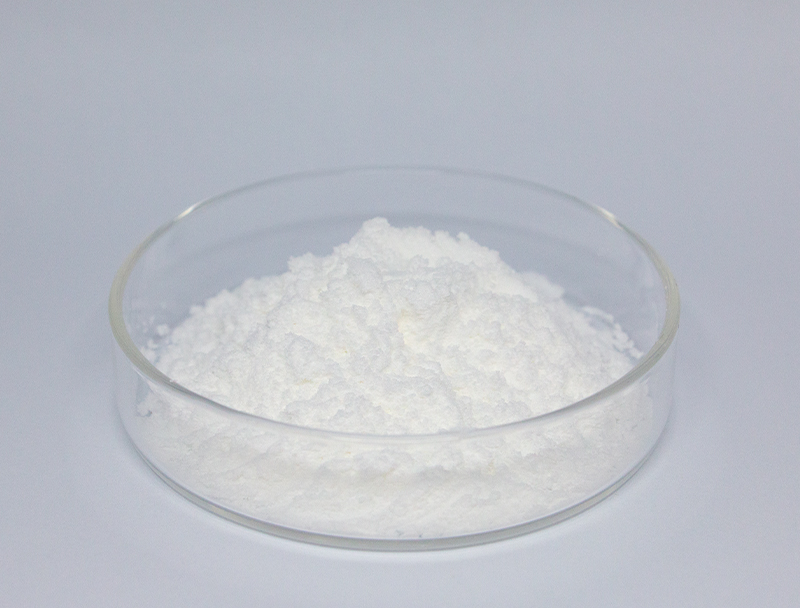
active ingredients concentrated extracts biomass feedstock manufacturer

Bioprocessing depends strongly on a broad palette of starting materials for fabricating next-generation bio-products.
Protecting continuous ethical sourcing of resources is indispensable to sustainable success and conscientious scaling.
multiple challenges associated with traditional raw material procurement like ecosystem disruption and unsustainable harvesting. Consequently, biotech firms need proactively to adopt sustainable procurement approaches to reduce environmental impact.
- Samples of circular procurement methods cover:
- Integrating compostable agricultural waste into supply chains
- Operating reuse-focused platforms to lower discard and increase efficiency
- Aligning with domestic providers that adhere to transparent sourcing
Shifting to ethical sourcing drives environmental value and long-term commercial viability.
Optimizing Biomass Feedstocks for Enhanced Biofuel Production
Boosting conversion rates requires high-quality and well-characterized biomass. Investigators regularly test new routes to upgrade biomass inputs, achieving increased output and long-term energy sustainability. Methods encompass cellular engineering to augment biomass output and refining processes to liberate fermentable carbohydrates.
- In addition, projects pursue feedstocks like algae, waste fractions, and harvested residues to enlarge the selection of eco-friendly biomass for bioenergy.
- As a result of relentless efforts the industry should deliver significant enhancements paving a path to sustainable energy.

Optimizing Early-Stage Biomanufacturing Processes
embraces initial workflow stages from growth to harvesting New innovations across this area have produced enhanced manufacturing methods that boost yields.
Pivotal enhancements embrace high-performance cell lines, balanced media compositions, and intelligent reactor control systems. These developments raise yield and cut costs as well as diminish environmental consequences.
- Moreover, continuous manufacturing adoption is enabling dynamic control and greater adaptability in upstream workflows.
- Transitioning to refined production methods has the potential to overhaul the industry and expedite new treatments.

Advances in Gene Editing to Boost Therapeutic Production
innovations in genome-editing toolsets have enhanced biopharmaceutical manufacturing. Through controlled genetic modifications, practitioners increase therapeutic protein production. This approach holds immense potential for developing more efficient and affordable biopharmaceuticals to address a wide range of diseases.
Microbial Solutions for Greener Bioremediation Practices
promising microbial strategies enabling effective environmental cleanup and restoration. Specialized microbes can enzymatically degrade pollutants to reduced-toxicity products.. Employing microbial processes facilitates remediation approaches that preserve ecosystem integrity while reducing pollution.. Researchers screen diverse microbial taxa for metabolic pathways suited to remove heavy metals, pesticide residues, and hydrocarbon contamination.. Such organisms are usable in treatment systems or applied directly to soils and waters to drive biodegradation of contaminants..
Microbial remediation approaches present key benefits relative to classic remediation methods. These methods are economical and eco-conscious while reducing hazardous secondary waste. Also, microbial interventions offer targeted remediation that minimizes collateral ecosystem disturbance. Advancements continue apace to increase the speed, efficiency, and applicability of microbial remediation techniques.
Bioinformatics' Impact on Drug Design
Computational biology approaches are becoming vital across contemporary drug R&D. By integrating diverse datasets, bioinformatics enhances candidate identification and therapeutic optimization.
- By analyzing vast datasets of genomic, proteomic, and clinical data, bioinformaticians can uncover novel drug targets and predict the activity of potential therapeutics.
- Furthermore, computational modeling of drug–target interactions aids rational design of higher-performing therapeutics.
- Ultimately, informatics is transforming R&D and shortening timelines to deliver safe, efficacious therapies to patients.
Optimizing Metabolism to Increase Bioproduct Production
adopts varied approaches to raise biosynthetic yields of beneficial compounds. Strategies involve pathway refactoring by genetic modification, expression modulation for balanced flux, and grafting of novel genes to add capacity.. With precise metabolic tuning scientists can greatly enhance yields of desired compounds.
Such an integrated approach may disrupt diverse fields including therapeutics, crop science, and sustainable fuels.
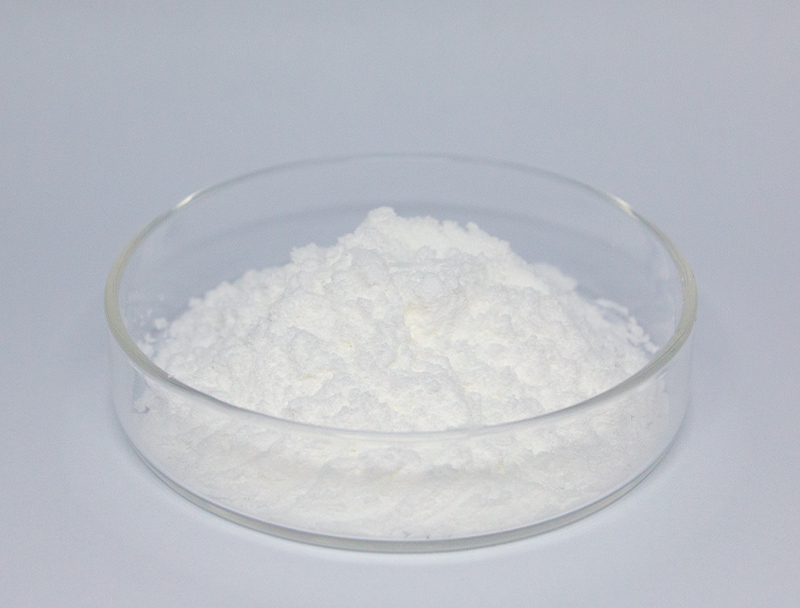
From Lab to Plant: Challenges and Opportunities in Biomanufacturing Scale-Up
Moving from bench to commercial scale creates complex challenges and valuable opportunities. Retaining quality standards during scale enlargement is a core difficulty. Solving it involves resilient control frameworks, high-resolution monitoring, and modern analytical tools.

Process intricacy spanning various stages creates significant scale-up complexities.. Adapting protocols for industrial scale requires considerable development work and engineering advances.. However, the prospective rewards are sizable. Efficient scale-up can α-Ketoglutaricacid amplify access to medicines, compress costs, and strengthen returns.
Multiple programs focus on resolving scale-up difficulties. Initiatives involve optimization platforms, high-resolution analytics for process control, and novel manufacturing frameworks.
- Developmental projects contribute critically to scaling manufacturing competency.
- Regulatory bodies are modernizing pathways to accelerate approval of advanced production technologies and support innovation.
Charting Regulatory Pathways for Biologics to Safeguard Patients
Producing biopharmaceuticals demands comprehensive oversight to guarantee safety and clinical effectiveness. Biopharmaceuticals, often derived from biological sources, present unique challenges compared to traditional medications.
Institutions such as the U.S. FDA and European EMA lead in formulating regulations and benchmarks for biologic approvals..
Strict validation and testing steps are required across the product lifecycle from lab studies to post-market oversight.. The protocols serve to uncover safety concerns and certify that products fulfill rigorous protection standards..
In addition, regulatory entities adapt their frameworks to stay current with rapid research and technological developments.. Strategies include welcoming technological advances and simplifying development while prioritizing patient safety.

Plant-Based Biomass Options for Bioplastic Manufacturing
Increasing interest in sustainable materials spurs innovation in renewable resource development. Bioplastics derived from plant biomass provide a viable route to more sustainable plastic alternatives. Biomass sources such as cornstarch, cellulose, and sugarcane are usable to produce plastics that biodegrade and reduce ecological impact.
Also, many renewable bioplastics exhibit comparable mechanical and functional traits to conventional plastics across applications.. Ongoing studies and technology development are vital to exploit plant feedstocks for bioplastics and foster a circular economy.
Biotechnology's Potential to Transform Health and Food Supply
Biotechnology offers potent solutions for advancing public health and enhancing food security. Applying targeted genetic edits, synthetic biology frameworks, and cellular therapeutics, practitioners produce measures to address infectious disease, boost harvests, and upgrade nutritional content.. Illustratively, crops altered for pest resistance and stress endurance support increased harvests and diminished pesticide usage.. Also, biotechnological innovation fuels development of immunizations, antimicrobial treatments, and diagnostic platforms vital for disease control and population health.. As innovations mature, biotechnology can provide meaningful contributions toward global health and resilient food supplies for future generations.